Cover Crop and Fieldprint Calculator Subpilot

Applications open July 6 - August 3

The Cover Crop and Fieldprint Calculator Subpilot provides Virginia producers with an opportunity to implement or enhance a winter cover crop system while contributing to research that advances climate-smart agriculture.

Eligible producers will plant a cover crop in Fall 2026 to provide winter ground cover, improve soil health, and support long-term farm sustainability. Producers may use the program to establish a new cover crop practice or improve an existing cover crop system through expanded implementation or enhanced management.

In addition to financial support, participants will complete an analysis of their operation using the Field to Market® Fieldprint Calculator. This tool helps producers evaluate environmental and sustainability outcomes associated with their farming practices and provides operation-specific information related to soil management, nutrient use, water use, energy use, and greenhouse gas emissions.

Cover Crop Resources

FREQUENTLY ASKED QUESTIONS

The Cover Crop Subpilot is open to eligible producers in all Virginia counties who plan to establish or enhance a winter cover crop during Fall 2026. Applications will be open from July 6 - August 3.

While all eligible applications are encouraged, preference may be given to:

  • New producers enrolling in the Alliance
  • Producers planting legume cover crops that may help offset nitrogen fertilizer needs for the following cash crop
  • Producers planting multi-species cover crop mixes that include a legume
  • Producers managing multiple fields with different cover crop species or mixes, allowing for comparisons of cover crop performance across production systems.

Applications are open July 6 through August 3, 2026. No applications will be accepted after August 3. Complete applications will be submitted for selection on Friday, August 7. If an application does not include the required information and documents by August 7, it will not be considered.

All contracts will conclude on May 31, 2027.

Producers who have previously participated in the Alliance may be eligible to apply if they:

  • Have completed no more than one previous Alliance contract
    • If you've completed only one previous Alliance contract, you're still eligible to apply for the Cover Crop and Fieldprint Calculator Subpilot. This also applies if you participated in the voluntary COMET-Farm contract. Although COMET-Farm has its own agreement, it is considered part of your original Alliance participation and does not count as a second contract.

Alliance producers previously enrolled in cover crops may also be eligible to enroll again if they enhance their cover crop system by either:

  • Adding a species from a different functional group to their existing cover crop mix; or
  • Planting a cover crop mixture that includes at least three species.

The program supports both new cover crop adoption and improvements to existing cover crop systems.


Practice Implementation

  • Producers may enroll up to 120 acres of winter cover crops;
  • Cover crops may consist of grasses, legumes, brassicas, forbs, or multi-species mixtures

Biomass Sampling Protocol

Participating producers will collect one cover crop biomass sample from each enrolled field shortly before cover crop termination or cash crop planting. The process includes clipping and weighing aboveground biomass from a designated sampling area, recording the sample location with GPS coordinates, measuring average cover crop height, and taking two photographs of the stand. A small subsample will be submitted for laboratory analysis to measure nutrient content and cover crop performance. Detailed instructions, sampling protocols, and required materials will be provided before sampling begins, and the Alliance research team will be available to answer questions throughout the process.

Cover Crop Planting Dates
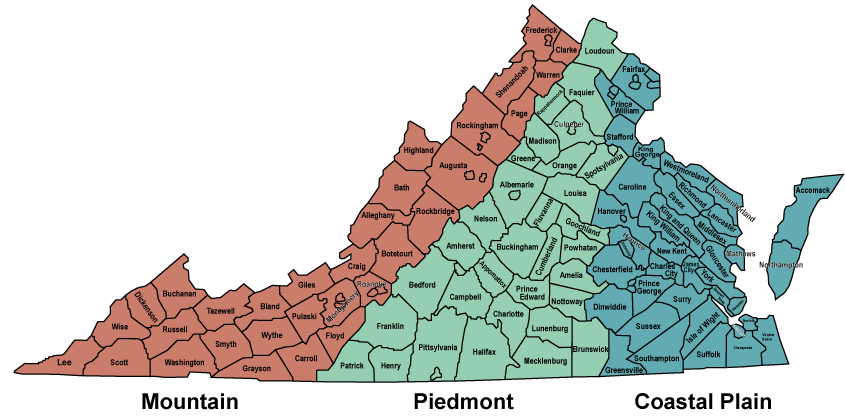
Planting dates are based off where the farm is located.

Mountain: October 27, 2026Image description
Piedmont: Nov 1, 2026
Coastal Plain: Nov 17, 2026

Termination Date

The cover crop should not be terminated more than two weeks before planting the following crop. Termination is not required prior to planting; planting green is allowed if that is the preferred method.

Getting started is simple. Follow the steps below to complete your application through the Alliance Dashboard:
  • Create an account on the Alliance Dashboard
  • Fill out the Producer Application
  • Upload the following documents:
    • Farm maps
    • Current federal fiscal year Subsidiary Print
    • W-9 form for the individual or entity listed in your application
  • Submit your application

View sample documents and other guidance here.


After You Apply

Once you apply:

  • Your application is reviewed for eligibility and accuracy
  • You’ll be contacted if anything needs to be updated
  • Applications typically take about 30 days after the deadline for decisions

Note: Applications can’t be edited while under review—reach out if you need help making a change.


Application Review Process

Each application is carefully reviewed to ensure all information is complete and consistent.

During review, we will check that:

  • Your application matches your farm maps, Subsidiary Print, and W-9

If something needs to be corrected:

  • Your application will be returned to you with guidance on what needs to be updated
  • You will receive an email notification
  • The relevant section will reopen in your dashboard so you can make edits and resubmit

Once your application is approved, it will move forward into a randomized selection process run by the Virginia Tech Department of Agricultural and Applied Economics.


Enrollment Decisions
  • Selected producers will be notified within 30 days after the application deadline
  • If selected, you will have 7 days to accept or decline the offer

If you choose not to enroll:

  • Your application will be closed
  • Your information will not be shared

What to Expect After Selection

If you are selected to participate, a few next steps will appear in your dashboard to help you get started. These steps are designed to guide you through enrollment and set you up for success in the program.

First Steps
  • CPA-52 Environmental Evaluation (No Action Required)
    • A CPA-52 Environmental Evaluation is required for each enrolled practice. The Alliance team will complete and submit this on your behalf. Once approved, it will be uploaded to your dashboard.

These steps must be completed before your Producer Agreement and additional tasks become available.


Next Steps

Once the above items are complete, you will be able to access the following:

Producer Agreement

  • Accept or decline your enrollment offer
  • Review your responsibilities for implementing practices and reporting data
  • Your contract begins once the agreement is signed
  • Please review carefully — agreements cannot be changed after signing
  • If updates are needed (such as changes to practices or FSA information), you will need to contact the Alliance team for assistance

Practice Worksheet

  • This worksheet will become available after your agreement is signed
  • You may begin working on it at any time

Soil Biomass Sample

  • Collect and submit your required soil or biomass sample following the instructions provided in your dashboard.

Program Surveys

As part of the program, you will also be asked to complete a few short surveys. These help improve the program and demonstrate its impact:

  • Program Experience Survey
  • Virginia Tech Exit Survey (administered by the Department of Agricultural and Applied Economics)
  • USDA Marketing Commodities Survey
  • Practice Exit Survey

If you have questions at any point, the Alliance team is here to help.

Yes.

If a cover crop has been implemented in the past, on the fields you plan to enroll you must:

  • Add an additional species to the cover crop mixture that is implemented during the time of this contract, and that additional species must differ in functional group from the original species used.
  • Cover crops are typically grouped by plant type as grasses, legumes, crucifers, and forbs. If the previous species/mixture contained only grass-type species, you must add a legume, crucifer, or forb-type species to fulfill the requirement.
  • If the previous cover crop contained a mixture of 3 or more species and all 3 species are from different functional groups, no additional species will be required. However, the composition of the cover crop mixture may be adjusted as long as it complies with the NRCS standards and specifications.

The subpilot includes a research component designed to improve understanding of how winter cover crops perform under a variety of real-world farming conditions across Virginia. Information collected through the program will help researchers evaluate conservation outcomes and develop recommendations that benefit producers.

The research is led by Mark Reiter and Joseph Haymaker with the Eastern Shore Agricultural Research and Extension Center and Ryan Stewart with the School of Plant and Environmental Sciences at Virginia Tech. Their research focuses on cover crop management, soil health, nutrient use efficiency, and on-farm conservation practices. Producer participation will help strengthen research conducted under Virginia growing conditions and support science-based recommendations that improve the productivity, profitability, and sustainability of Virginia agriculture.

As part of the program, participating producers will be asked to provide operational information, including:

  • Cover crop management details and field information.
  • GPS coordinates for locations where cover crop biomass samples are collected.
  • Cover crop biomass sample results and related laboratory reports, if applicable.
  • Sustainability metrics generated through the Field to Market Fieldprint® Calculator.

Some additional research opportunities may be available outside of the required contract activities. These are completely voluntary and may include sharing corn tissue sample results, yield monitor data, nitrogen management information, or participating in on-farm nitrogen rate trials.

Researchers will provide clear instructions and protocols for any required sampling activities before they begin. Producers will not be asked to complete unexpected research requirements after enrolling in the program.

The Field to Market® Fieldprint Calculator is an online sustainability assessment tool that allows producers to enter information about their farming operation and receive insights related to soil management, nutrient use, water use, energy use, greenhouse gas emissions, and other sustainability indicators. Producers enrolled in the program will be required to create an account and enter farm management information into the platform.

The information collected through the Fieldprint Calculator and other program activities helps satisfy program reporting requirements, supports Virginia Tech research efforts, and provides participating producers with valuable information about their operation.

As part of participation, producers will enter information about their farming operation into the Fieldprint Calculator, including field management activities and approximate dates for a minimum of one full crop rotation.

Information entered may include:

  • Field preparation and tillage activities
  • Planting dates and crop information
  • Fertility and nutrient management practices
  • Pest and weed management activities
  • Harvest operations
  • Cover crop planting and termination

For example, a producer may provide information for a crop rotation such as:

  • 2024: Corn followed by a cover crop
  • 2025: Soybeans followed by a cover crop
  • 2026: Corn followed by a cover crop
  • 2027: Soybeans

Additional resources, training materials, and technical assistance will be provided to help producers complete the Fieldprint Calculator requirements.

Soil & Water Conservation Districts will be accepting applications for the Virginia Agricultural Cost-Share (VACS) Program during the same time period as this opportunity. Producers who are not selected for the Alliance program may still have an opportunity to apply for VACS.

Please note that the same acres cannot receive funding through both the Alliance program and VACS for the same practice. Producers enrolled in the Alliance may still enroll additional acreage in VACS, provided the acres are not already enrolled in the Alliance program.

VACS requirements and payment rates may differ depending on the cover crop practice being implemented.

All payments will be issued by Virginia Tech.

🗹 First Payment:  50% of total contract amount

The following tasks must be complete to release the first payment:

  1. Producer application, including application form, farm map(s), subsidiary print, and W-9 tax form
  2. Confirmation of Enrollment
  3. Signed Producer Agreement

🗹 Final Payment:  50% of total contract amount

The following tasks are required to release the final payment:

  1. Completed Practice Worksheet
  2. Receipt of a biomass sample
  3. Completed Spot Check, if selected for one
  4. Completed Exit Surveys

The Alliance team is here to help you put conservation into practice — on your farm, and on your terms.

We can support you with:

  • Completing your Practice Worksheet
  • Meeting data reporting requirements, including:
    • Creating a FieldPrint account and completing the calculator
    • Required program experience and exit surveys

As part of the program, enrolled producers will complete a few additional data and survey requirements. This helps demonstrate the impact of your conservation work and supports continued investment in agriculture through USDA’s Advancing Markets for Producers initiative.

  • Data collection is managed by Virginia Tech
  • Requirements vary based on your farm, location, and selected practices

What You May Be Asked to Provide

For Cropland Acres:

  • Crop rotations (current and planned)
  • Yield information
  • Tillage and irrigation practices
  • Input applications (fertilizer, etc.)
  • Soil sampling results
Learn About the Cover Crop and Fieldprint Calculator Subpilot

Learn about eligibility, program requirements, the application process, the Field to Market Fieldprint® Calculator, and the cover crop biomass sampling process.

Alliance Dashboard

Apply, track, and manage your enrollment in one place

Click here to:

✔  Manage your application
✔  Complete required tasks
✔  Access program resources

Producer Resources

Click here to view sample documents and practice worksheets

Click here to view:

✔  Sample Farm Service Agency documents, including farm maps and subsidiary prints
✔  W-9 tax form guidance
✔  Practice implementation requirements

Virginia Help Desk

If you are an eligible producer interested in participating in the pilot, please contact:

allianceforcsaVA@vt.edu

Libby Hewitt

Virginia Program Specialist

Jaclyn Hall

Virginia Project Assistant

Sarah Gower

Technical Specialist